SVALBARD & THE HEBRIDES Archipelagoes in the Anthropocene
AiR Artica Svalbard, (2024-2026)
Three residencies at Artica Svalbard between 2024 and 2026 provided an opportunity for research and knowledge exchange between two island locations. Through fieldwork, public engagement, and interviews, I explored why and how contemporary art practice should engage with islands, and how such engagements are being approached elsewhere in response to the climate emergency, postcolonial island environments, and the legacies of cultural and resource extraction.
The residencies also explored the artist's role in fragile island environments as both a witness and an active participant in shaping ecological understanding, through direct engagement with community and place. Alongside studio and field-based work, I worked with students at the local folkeskole and conducted interviews with educationalists, guides, researchers, scientists, and artists based in Longyearbyen, gathering a range of perspectives on how island communities generate understanding of climate change in the Anthropocene, and the role of art in building resilience and imagination in communities.
The research is ongoing and I view this work as sitting within the wider context of the generative force of ‘islandness’ as a recognised geographical condition of the Anthropocene, and the increasing prominence of islands in contemporary thinking, scholarly research, policy-making, and activism around climate change.
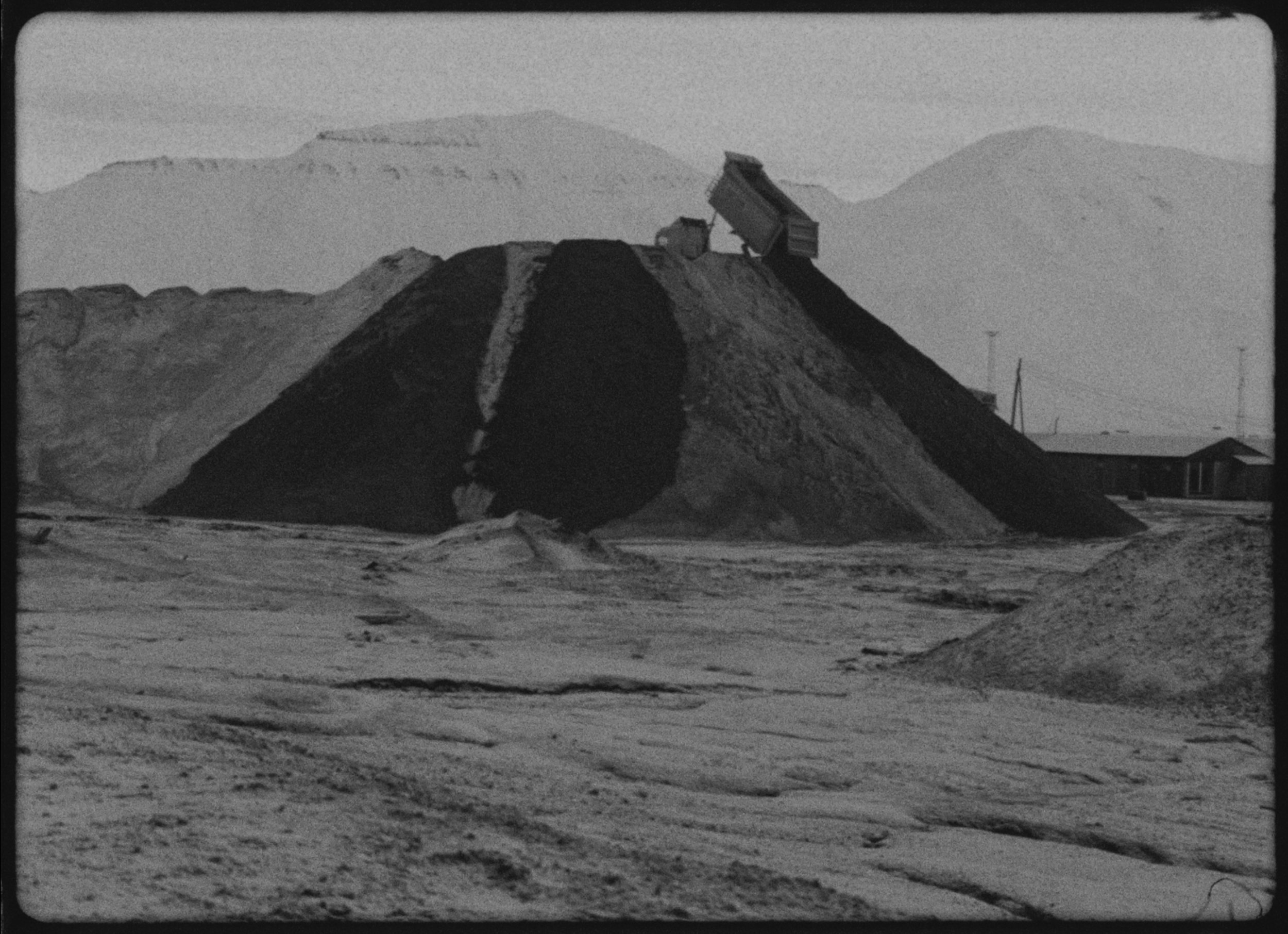
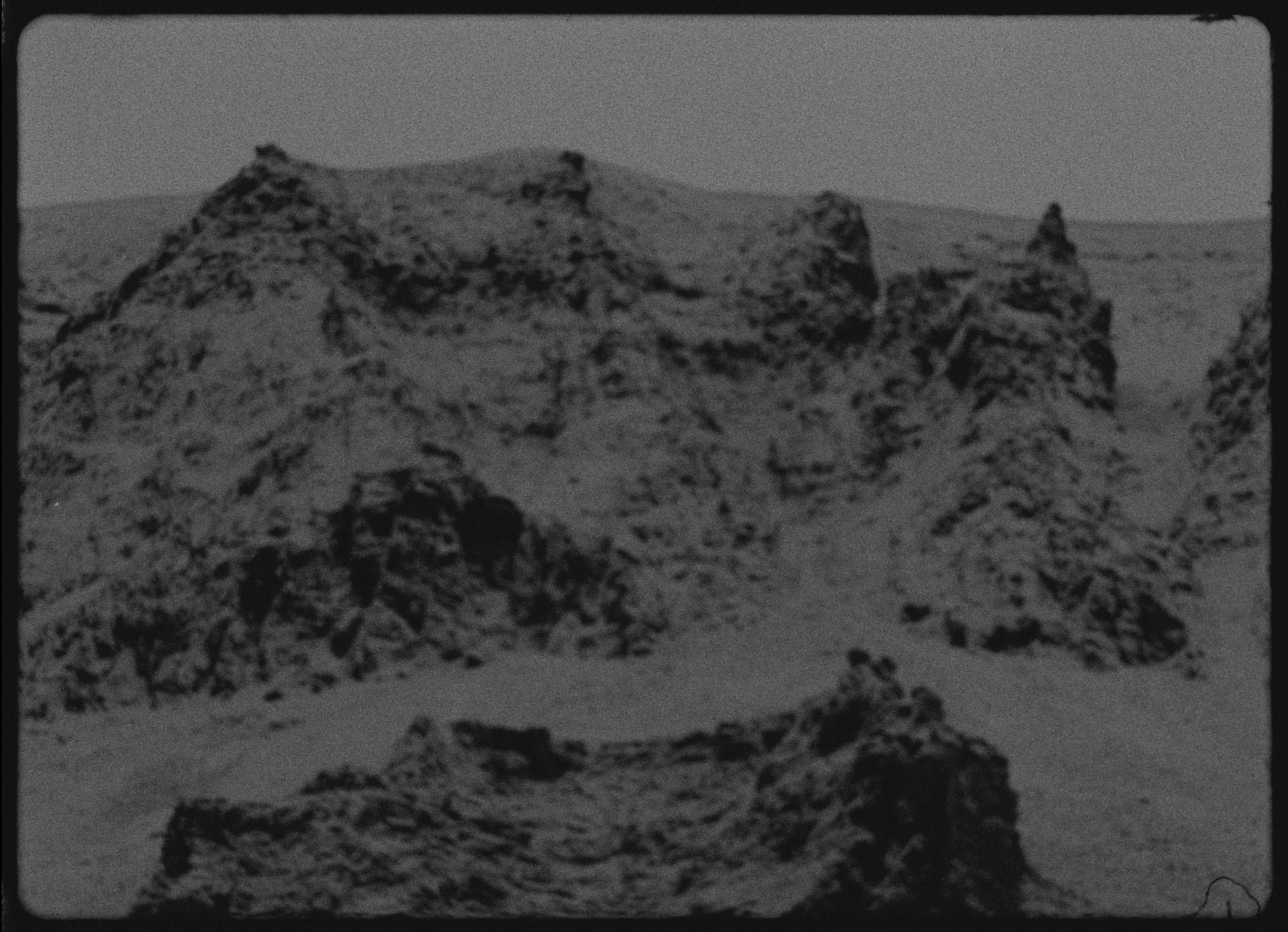
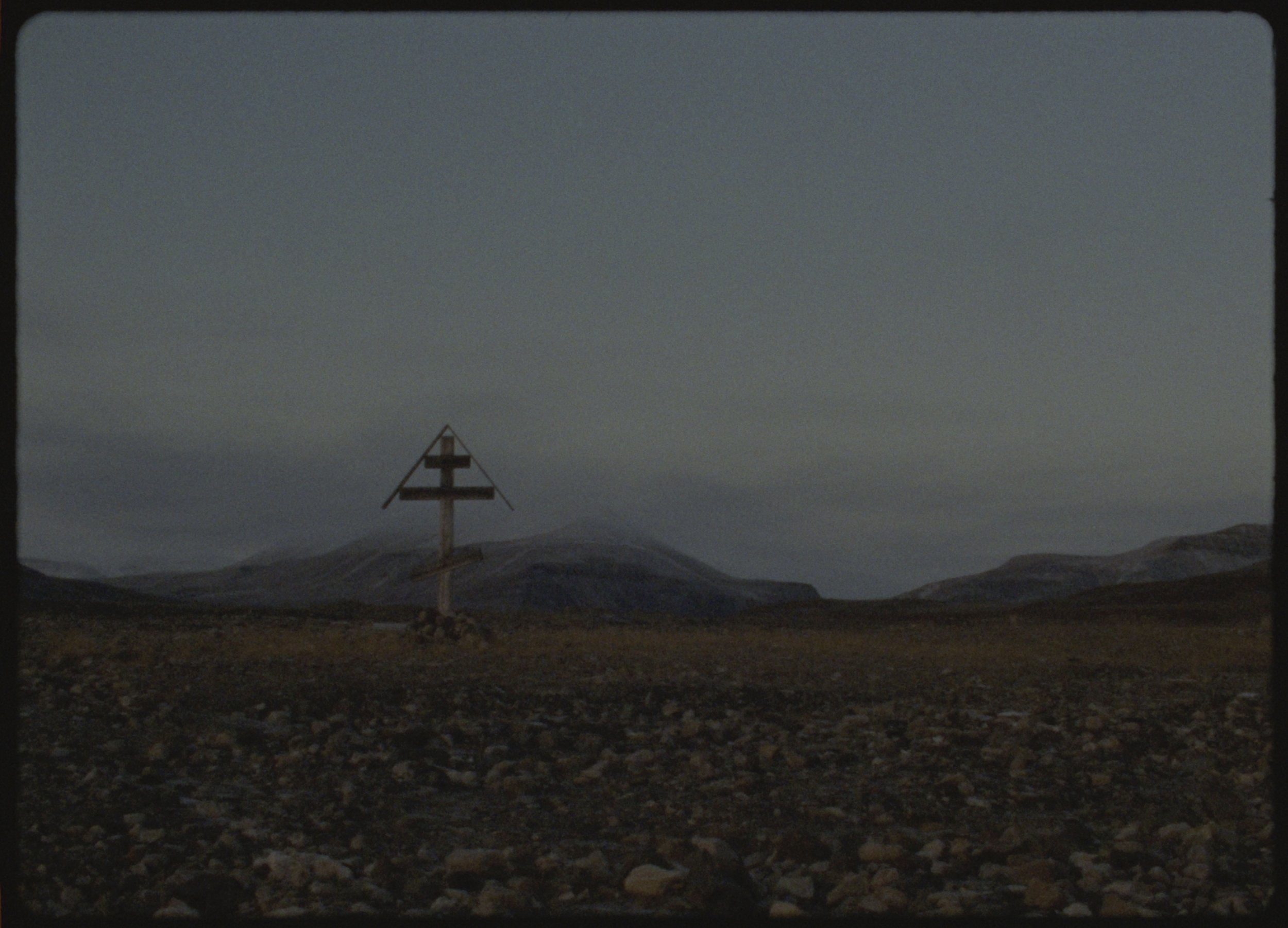
Images: Mhairi Killin, 16mm film stills, Svalbard, 2024